Spectral Instruments in vivo bioluminescence and fluorescence imaging system

Spectral Instruments Imaging — In Vivo Fluorescence and Bioluminescence
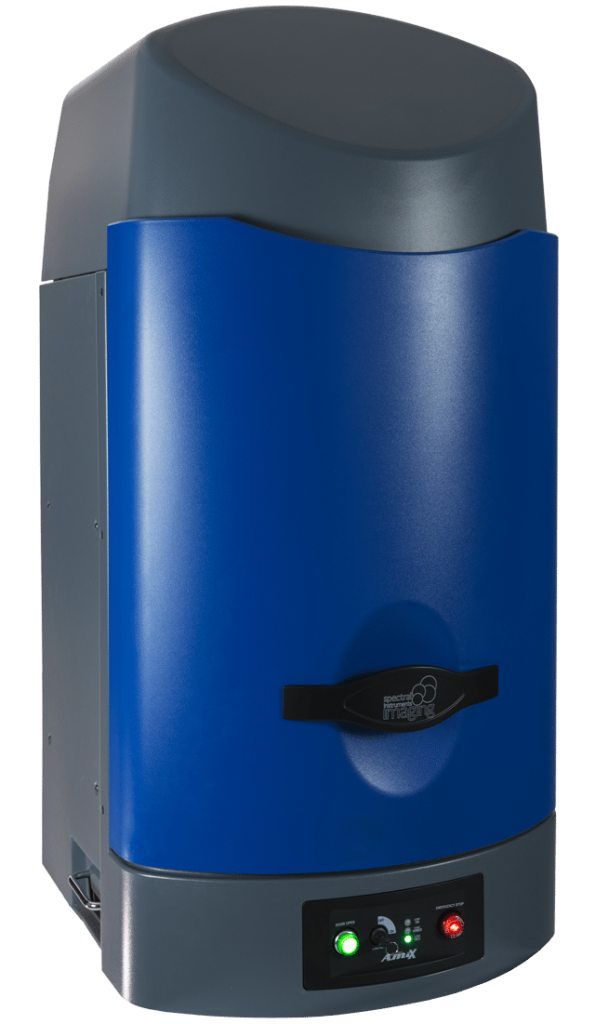
Overview

Fluorescence and bioluminescence is the most common method of pre-clinical in-vivo imaging. By using fluorescent or bioluminescent reporter genes it is possible to track gene expression, tissue growth, response to therapy, and much more applications.

  • Oncology: tumour growth, metastasis and response to therapy followed in the living animal.
  • Gene expression: luciferase and fluorescent reporter models tracked over time.
  • Cell tracking: following labelled cells after transfer or engraftment.
  • Infectious disease models: monitoring bioluminescent pathogens through the course of infection.
  • Longitudinal studies: the same animal imaged repeatedly, which reduces animal numbers and removes between-subject variability.
  • Built around sensitivity: the design priority is signal-to-noise, which decides whether a weak signal is measurable at all.
  • High-efficiency excitation: a patented illumination approach delivering far more light onto the target for fluorescence work.
  • X-ray for anatomical context: optical signal placed against anatomy rather than floating on a silhouette.
  • Straightforward operation: designed so routine imaging takes a few clicks rather than specialist setup.
  • Optical, not tomographic: this reports where a reporter signal is and how strong it is — it is not a quantitative PET or CT measurement.
  • Local support from Merkel: demonstration on your own samples, installation, training and service in Israel.

Spectral Instruments Imaging — In Vivo Fluorescence and Bioluminescence

To get more information or a quote for this product

Please fill out our form ,and we’ll get in touch shortly